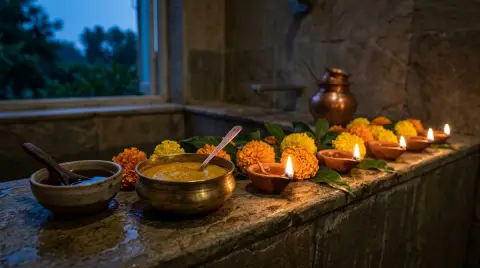
Bhaubeej 2026 Tilak Time in Mumbai and Pune, 11 November
Bhaubeej 2026 is on Wednesday, 11 November. As per Drik Panchang, the afternoon (aparahna) tilak or ovalani time is 1:30 PM to 3:46 PM in Mumbai and 1:26 PM to 3:42 PM in Pune. Kartik Shukla Dwitiya begins at 2:00 PM on 10 November and ends at 3:53 PM on 11 November, so the festival falls on the 11th.
Quick facts
Festival: Bhaubeej (Bhai Dooj, Yama Dwitiya)
Date: Wednesday, 11 November 2026
Dwitiya tithi begins: 2:00 PM, 10 November
Dwitiya tithi ends: 3:53 PM, 11 November
Mumbai tilak time: 1:30 PM to 3:46 PM
Pune tilak time: 1:26 PM to 3:42 PM
Day before: Diwali Padwa (Bali Pratipada), 10 November
Bhaubeej 2026 tilak muhurat in Mumbai and Pune
Bhaubeej is the Maharashtrian name for Bhai Dooj. The ritual is done in the Aparahna, the afternoon part of the day, while Dwitiya tithi is running. Because Dwitiya ends at 3:53 PM on 11 November, the tilak should be finished before that, and the Drik Panchang windows for each city already fit inside it.
In Mumbai the window is 1:30 PM to 3:46 PM, which is 2 hours 16 minutes. In Pune it is 1:26 PM to 3:42 PM. Sisters in Thane, Navi Mumbai and Kalyan can follow the Mumbai timing closely, since the cities are close by.
Other city timings as per Drik Panchang
New Delhi: 1:10 PM to 3:20 PM
Bengaluru: 1:13 PM to 3:32 PM
Kolkata: 12:27 PM to 2:41 PM
The tithi times stay the same everywhere in India. Only the afternoon window moves with each city's sunrise and sunset. If your city is not listed, open the Drik Panchang page for your city or ask your family priest.
Is Bhaubeej on 10 or 11 November 2026?
This is the most common doubt this year. Dwitiya tithi starts at 2:00 PM on Tuesday, 10 November, which is already afternoon. The ritual needs Dwitiya to be present in the Aparahna, and on 10 November only a short part of the afternoon has Dwitiya. On 11 November, Dwitiya covers the early part of the afternoon until 3:53 PM. That is why Drik Panchang and most Indian calendars give 11 November. A few overseas listings show 10 November because of time zone differences.
Tuesday, 10 November is Diwali Padwa, also called Bali Pratipada, so the two days sit back to back.
What is Bhaubeej and why is it celebrated?
Bhaubeej celebrates the bond between a sister and her brother. The popular story linked to the day says that Yama, the god of death, visited his sister Yamuna on Dwitiya. She welcomed him with a tilak, aarti and a meal. Pleased with her love, Yama blessed her, and this is why the day is also called Yama Dwitiya. Families treat it as a day of affection, not of rules.
Bhaubeej puja vidhi: how the ovalani is done
The steps are simple and slightly different from family to family. A common way is below.
• The brother sits on a clean seat, often a patla, facing east or as the family prefers.
• The sister applies kumkum tilak with a few rice grains on his forehead.
• She does the ovalani, waving a lit diya on a thali around his face, and sings or says a prayer for his well-being.
• She offers sweets and a meal.
• The brother gives a gift, called ovalni or bhet, and takes her blessings.
In many Maharashtrian homes the meal includes puran poli, shrikhand, karanji or other Diwali sweets.
Puja thali samagri list
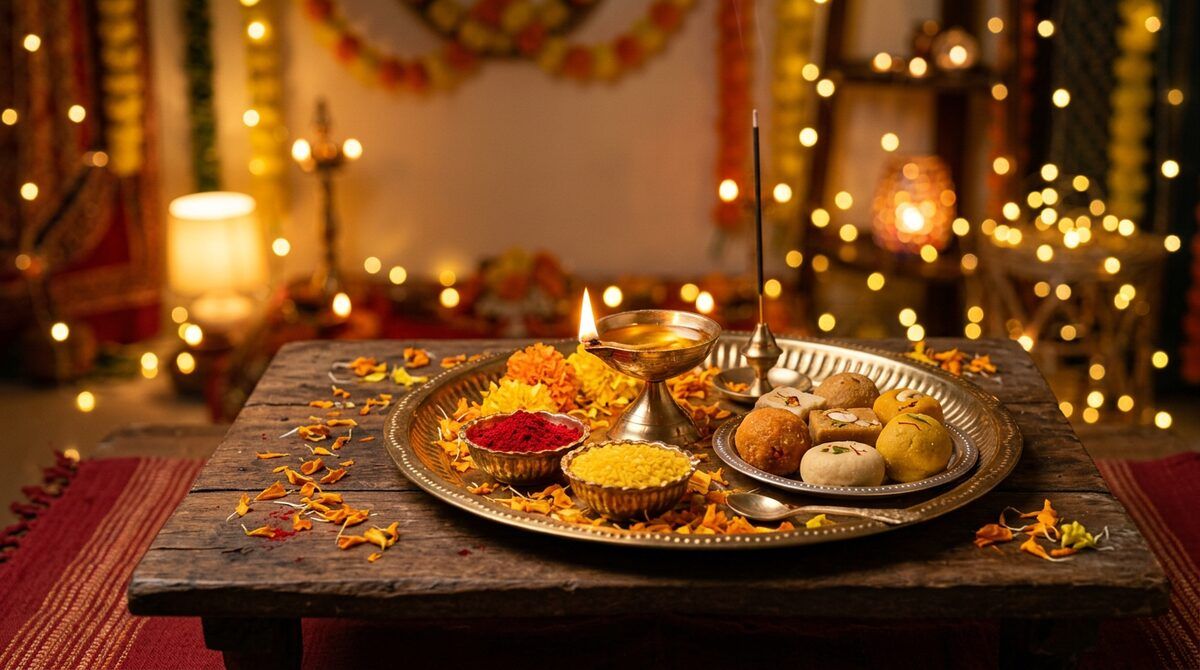
A thali with a diya, kumkum, rice (akshata), a small coconut or supari, sweets, a handkerchief or napkin and a small bowl of water is enough. Some families add a garland and betel leaf. Keep everything ready the night before so you do not hurry in the afternoon.
Do's and don'ts
• Do the tilak within the Aparahna window and before Dwitiya ends at 3:53 PM.
• Do share the meal with your brother, even if he lives far. A video call and an online gift are common now.
• Do greet cousins and brothers who are not related by blood, as many families do.
• Don't make it a stressful event. If you miss the exact window by a little, speak to your priest or elders.
• Don't rely on one forwarded message. Check a local panchang for your town.
Holiday on Bhaubeej 2026 in Maharashtra
As reported by My Maha Rashtra, the Maharashtra government has given an additional holiday on 11 November for its offices and local bodies, but banks and the stock market work as usual. Confirm with your own office or school, because notices can change.
Bhaubeej wishes for brother and sister
• Happy Bhaubeej! May our bond stay as sweet as shrikhand.
• Thank you for always being my first call. Happy Bhai Dooj.
• Wishing my sister a day full of sweets, laughter and love.
See also on IndiaAsk: Lakshmi Pujan 2026 Muhurat: Mumbai, Pune, Nagpur, Nashik Time. All timings here are as per Drik Panchang. Please check your local panchang for the final timing.
Frequently Asked Questions (FAQ)
When is Bhaubeej 2026?
Bhaubeej 2026 is on Wednesday, 11 November. Kartik Shukla Dwitiya begins at 2:00 PM on 10 November and ends at 3:53 PM on 11 November, as per Drik Panchang. The tilak is done in the afternoon of 11 November, within that tithi, so the date is the same for most of India.
What is the Bhaubeej tilak time in Mumbai?
As per Drik Panchang, the Bhaubeej tilak or ovalani time in Mumbai on 11 November 2026 is 1:30 PM to 3:46 PM. That is about 2 hours 16 minutes. In Pune the window is 1:26 PM to 3:42 PM, and Dwitiya ends at 3:53 PM in both cities.
Is Bhai Dooj on 10 or 11 November 2026?
Bhai Dooj is on 11 November 2026 in India. Dwitiya starts at 2:00 PM on 10 November, but it covers the afternoon properly only on 11 November until 3:53 PM. Diwali Padwa falls on 10 November. Some overseas listings show a different date due to time zones.
Why is Bhaubeej called Yama Dwitiya?
The day is named after the story in which Yama visited his sister Yamuna on Dwitiya. She welcomed him with tilak and food, and he blessed her. Because of this tale, the festival is called Yama Dwitiya, and it is linked with praying for a brother's long and healthy life.
Is 11 November 2026 a holiday in Maharashtra?
As reported by My Maha Rashtra, the state government has declared an additional holiday on Bhaubeej, 11 November, for its offices and local bodies. Banks and the stock market work as usual. Please confirm with your own workplace or school, since notices can change.
Related Articles

Answers
No approved answers yet — you can give the first answer.
Give Your Answer
Discussion
No approved comments yet.