How to Read Mandi Bhav Correctly: Modal, Minimum and Maximum Prices Explained
By IndiaAsk Editorial Team · 2026-10-26 · 6 min read · Agriculture & Mandi Bhav
Reading modal prices, arrivals and nearby mandis together gives a truer picture of what your crop will earn.
Key Takeaways
The modal price, not the maximum, is the price most farmers actually received on a day.
A wide gap between minimum and maximum usually signals big quality differences or sharp intraday price movement.
Rising arrivals typically soften prices, especially during peak harvest weeks.
Compare modal prices across mandis after subtracting transport and mandi costs.
Decide a floor price before leaving home and keep your own sale records.
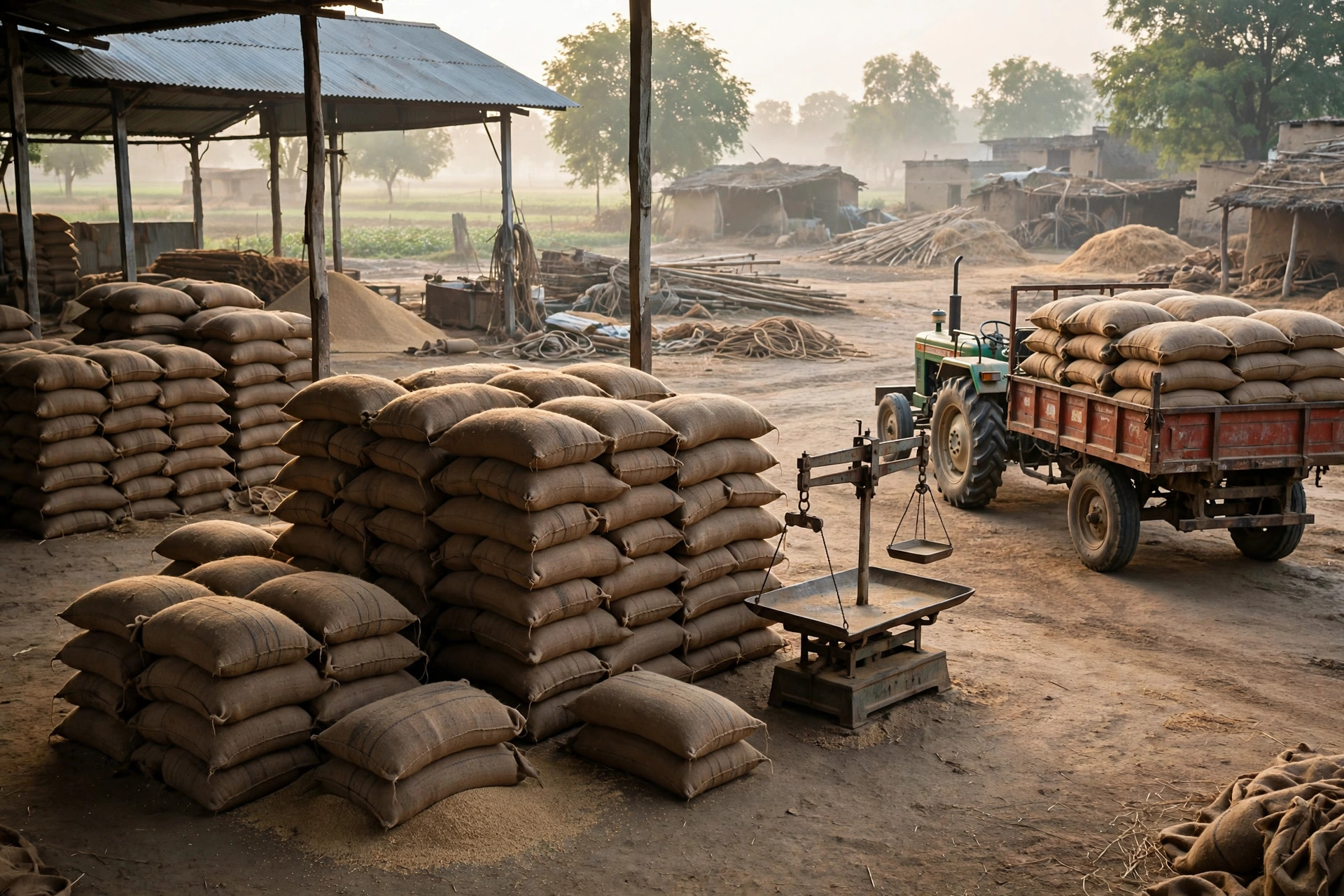
Every morning, thousands of farmers check the mandi bhav before deciding whether to load their tractor and head to the mandi or wait another day. The numbers look simple — a minimum price, a maximum price and a modal price — but misreading them is one of the most common reasons farmers sell too early, accept a low offer, or travel to the wrong mandi. A mandi price is not a single fixed rate like a shop price tag. It is a summary of many different deals made on the same day for the same crop, and each of those deals happened for a reason: different quality, different quantity, different time of day and different buyers.
What the Three Prices Actually Mean
When a mandi reports prices for a crop on a given day, it reports three figures. The minimum price is the lowest price at which a recorded trade happened that day. The maximum price is the highest. The modal price is the price at which the largest quantity of the crop was actually traded — in other words, the price most farmers actually received.
The modal price is the number that matters most to you. Suppose the day's report shows a minimum of Rs 1,800 per quintal, a maximum of Rs 2,400 and a modal price of Rs 2,050. A farmer who focuses only on the maximum may feel cheated when a trader offers Rs 2,100, even though that offer is above what most farmers got that day. Conversely, a farmer who panics at the minimum price may rush to sell at any price, not realising that the minimum may reflect a small lot of poor-quality or damaged produce sold early in the morning.
The gap between minimum and maximum also tells you something useful. A wide gap usually means quality varied a lot that day, or that prices moved sharply during the day. A narrow gap means most lots sold at similar rates, which usually indicates steady demand and uniform quality. If you see a very high maximum price, ask what quality earned it. It may have been a premium variety, a well-cleaned and graded lot, or a large lot bought by a processor. Your own lot will earn the price its quality deserves, not the day's maximum.
Why Arrivals Move Prices — Sometimes Within Hours
Arrivals are the quantity of a crop that reached the mandi on that day, usually measured in quintals or tonnes. Arrivals are the supply side of the mandi, and they push prices in a fairly predictable direction: when arrivals surge, prices usually soften, and when arrivals are thin, prices usually firm up. This is not a rule written in stone, because demand matters too, but it is the single most useful pattern for timing a sale.
Arrivals also change within a single day. Early morning lots sometimes fetch different rates from afternoon lots, especially when a big buyer has already filled their requirement by noon. That is why the same mandi can show a wide price range on a single day. Practical advice follows from this: check both the price and the arrivals figure, not the price alone. A high price on a day of very low arrivals may not hold when you arrive with a full trolley tomorrow. A low price on a day of record arrivals may recover once the rush passes, provided your crop stores well.
Comparing Your Local Mandi With Nearby Mandis
No mandi exists in isolation. A crop that fetches a modest price in your local mandi may fetch more thirty or fifty kilometres away — or it may fetch less once transport cost is subtracted. Comparing mandis is worth doing, but only if you compare like with like and count the full cost of the trip.
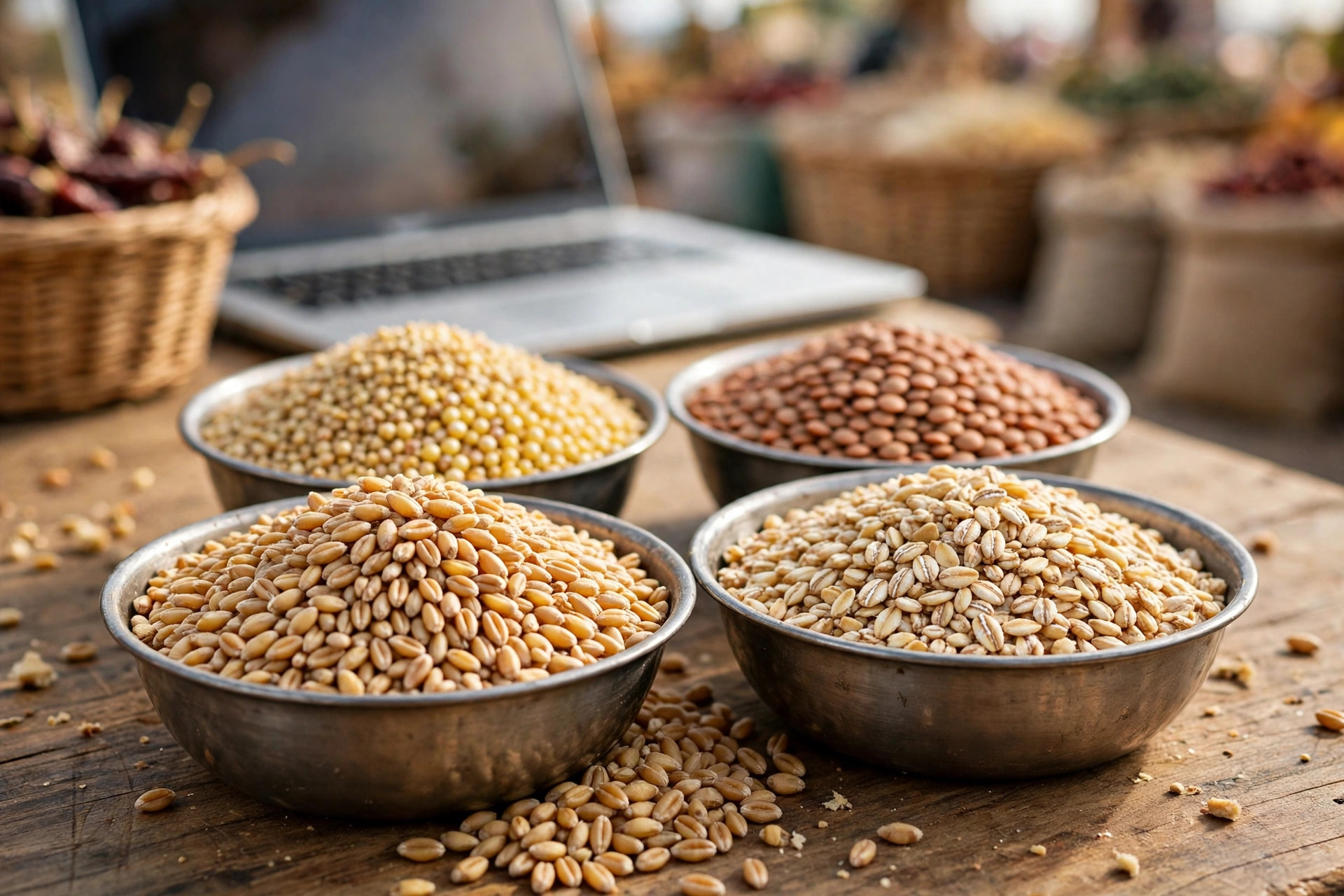
Start by comparing modal prices, not maximum prices, across mandis for the same crop and the same variety. A mandi showing a higher modal price is genuinely paying more on average. Next, check the arrivals in each mandi. A mandi with very high arrivals and a falling modal price may not hold its rate by the time you reach it. A mandi with moderate arrivals and a stable modal price is often the safer bet.
A Simple Daily Routine Before You Sell
Build a short routine around the price bulletin, and use it every time before deciding to sell. First, note the modal price for your crop and variety in your local mandi, and write down the minimum and maximum alongside it so you can see the spread. Second, note the arrivals figure and compare it with the previous few days: are arrivals rising, falling or stable? Third, check the modal prices of two nearby mandis for the same variety, and estimate your net return from each after transport costs.
Frequently Asked Questions
Q: What is the modal price in a mandi, and why is it more useful than the maximum price?
A: The modal price is the price at which the largest quantity of a crop was traded on that day — the price most farmers actually received. The maximum price may reflect only a small premium lot, so the modal price is a more realistic expectation for an ordinary lot.
Q: Why does the same crop show such a big difference between minimum and maximum price on the same day?
A: Because lots differ in quality, variety, moisture and cleanliness, and because prices move during the day as buyers fill their needs. A wide range usually means quality varied a lot or prices shifted sharply during trading hours.
Q: Do high arrivals always mean prices will fall?
A: Not always, but usually. When supply surges ahead of demand, prices soften. If demand is also strong — for example, processors buying heavily — prices can hold even with high arrivals. That is why arrivals should be read together with the price trend, not alone.
Q: Should I always take my crop to the mandi showing the highest price?
A: No. Compare modal prices for the same variety, subtract transport and mandi costs, and consider payment speed and weighing fairness. A slightly lower price nearby can leave you with more money in hand than a higher price far away.
Reading mandi bhav correctly is not about chasing the highest number on the board. It is about understanding what most farmers actually received, why that number moved, and what your own lot is likely to earn after costs. The modal price tells you the market's real verdict, arrivals tell you which way the market is heading, and a comparison of nearby mandis tells you where your crop is worth most. Use those three pieces together, decide your floor price before you leave home, and keep your own records. Over time, these small habits add up to better prices for the same crop, grown with the same effort.
Frequently Asked Questions (FAQ)
What is the modal price in a mandi, and why is it more useful than the maximum price?
The modal price is the price at which the largest quantity of a crop was traded on that day — the price most farmers actually received. The maximum price may reflect only a small premium lot, so the modal price is a more realistic expectation for an ordinary lot.
Why does the same crop show such a big difference between minimum and maximum price on the same day?
Because lots differ in quality, variety, moisture and cleanliness, and because prices move during the day as buyers fill their needs. A wide range usually means quality varied a lot or prices shifted sharply during trading hours.
Do high arrivals always mean prices will fall?
Not always, but usually. When supply surges ahead of demand, prices soften. If demand is also strong — for example, processors buying heavily — prices can hold even with high arrivals. That is why arrivals should be read together with the price trend, not alone.
Should I always take my crop to the mandi showing the highest price?
No. Compare modal prices for the same variety, subtract transport and mandi costs, and consider payment speed and weighing fairness. A slightly lower price nearby can leave you with more money in hand than a higher price far away.