Crop Storage After Harvest: How Proper Storage Protects Your Price
By IndiaAsk Editorial Team · 2026-10-26 · 6 min read · Agriculture & Mandi Bhav
Dry grain, a clean store and regular inspection protect a harvest's value long after the field work is done.
Key Takeaways
Grain stored too wet heats up, moulds and loses value, so dry before storing, not after.
Safe moisture for most foodgrains is around 12 to 14 percent, confirmed per crop and tested with a meter.
Clean stores, undamaged sacks or hermetic bags, and fortnightly inspection keep pests under control.
A warehouse receipt can be used as bank collateral to avoid distress sales during the harvest glut.
Split sales and a preset target price balance glut risk against the risk of holding too long.
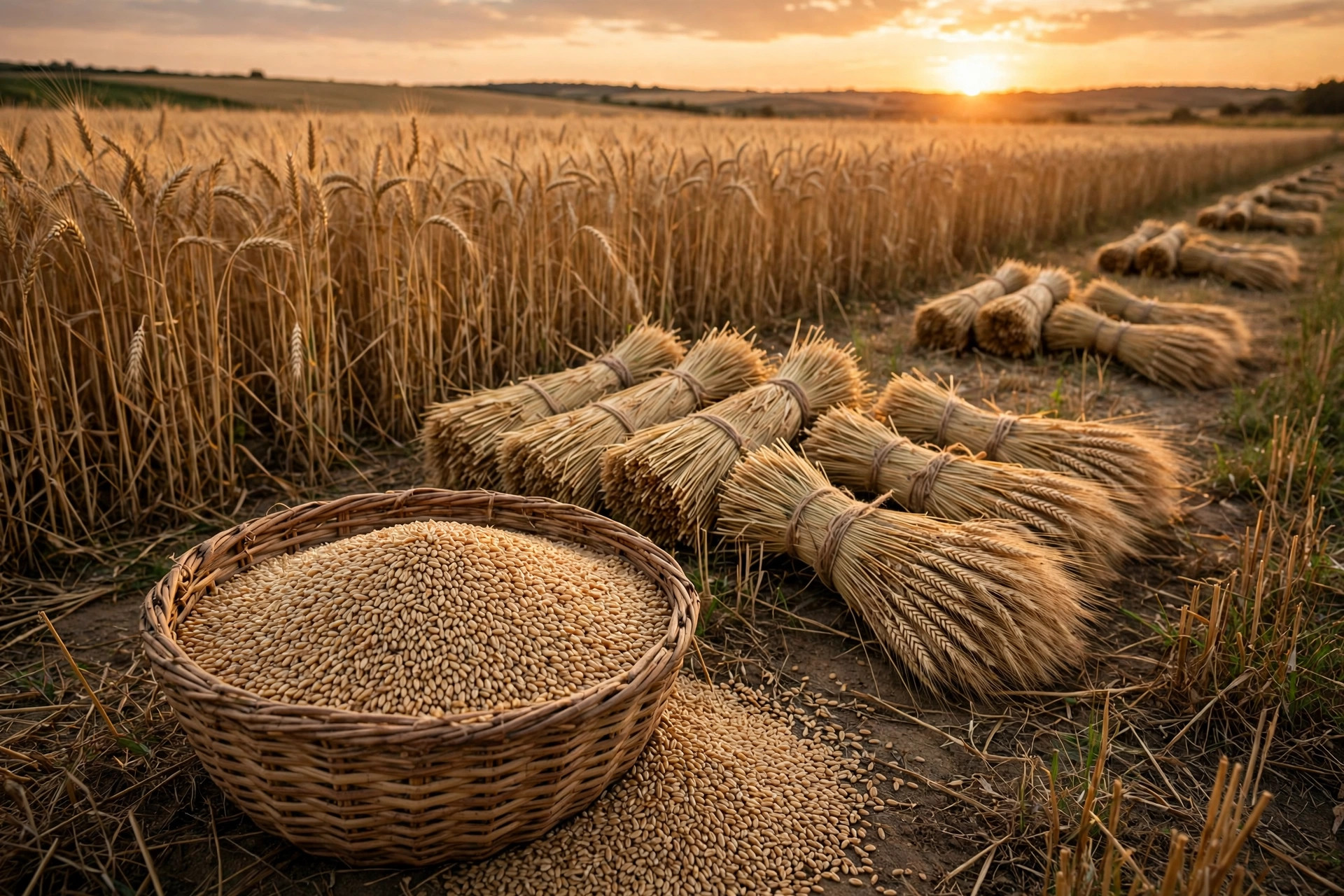
The moment of harvest feels like the finish line, but for a farmer's income it is really the halfway point. What happens to the crop in the weeks after harvest — how it is dried, stored and protected — often decides whether it sells at a good price or loses value to moisture, pests and damage. Every year, farmers lose a significant share of their harvest's value not in the field but in storage: grain that heats up, gets infested, absorbs damp or is sold in a panic during the harvest glut because there was nowhere safe to keep it.
Moisture: The First and Most Important Enemy
Moisture is the single biggest cause of storage loss, and it works silently. Grain stored even slightly too wet can heat up, develop mould, lose quality and become unsafe for consumption — and mouldy grain also fetches a much lower price, if it sells at all. Different crops have different safe moisture levels, generally around 12 to 14 percent for most foodgrains, but the exact safe level for your crop is worth confirming with your local agriculture office or mandi assaying centre rather than guessing.
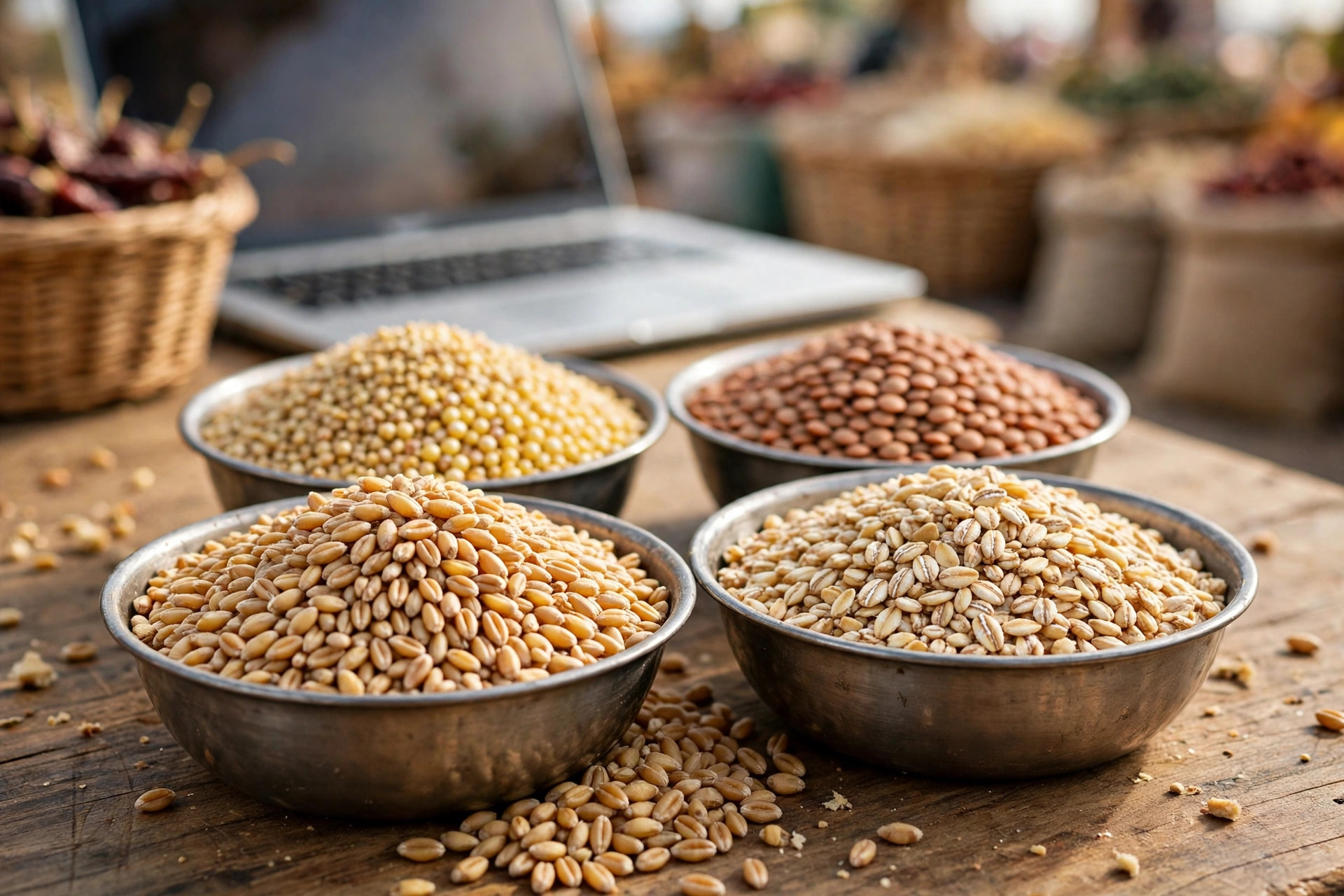
The practical rule is to dry before you store, not after. Sun-drying on a clean, dry surface — not directly on bare soil, which adds moisture and dirt — is the most common method, and the crop should be turned regularly so it dries evenly. A simple moisture meter, now affordable and often available through cooperatives, removes the guesswork: testing a sample takes a minute and can save a season's storage. If the crop feels dry but tests above the safe level, dry it more. Storing wet grain in the hope that it will dry in the store is one of the costliest storage mistakes, because damp grain in a closed space only gets worse.
Pests, Rodents and Cleanliness
The second enemy is living: insects, rodents and birds. Stored-grain insects can multiply rapidly in warm conditions, and a small infestation at the start of storage can become a major loss within weeks. Rodents gnaw through sacks, contaminate grain and cause losses that are easy to underestimate because they happen gradually.
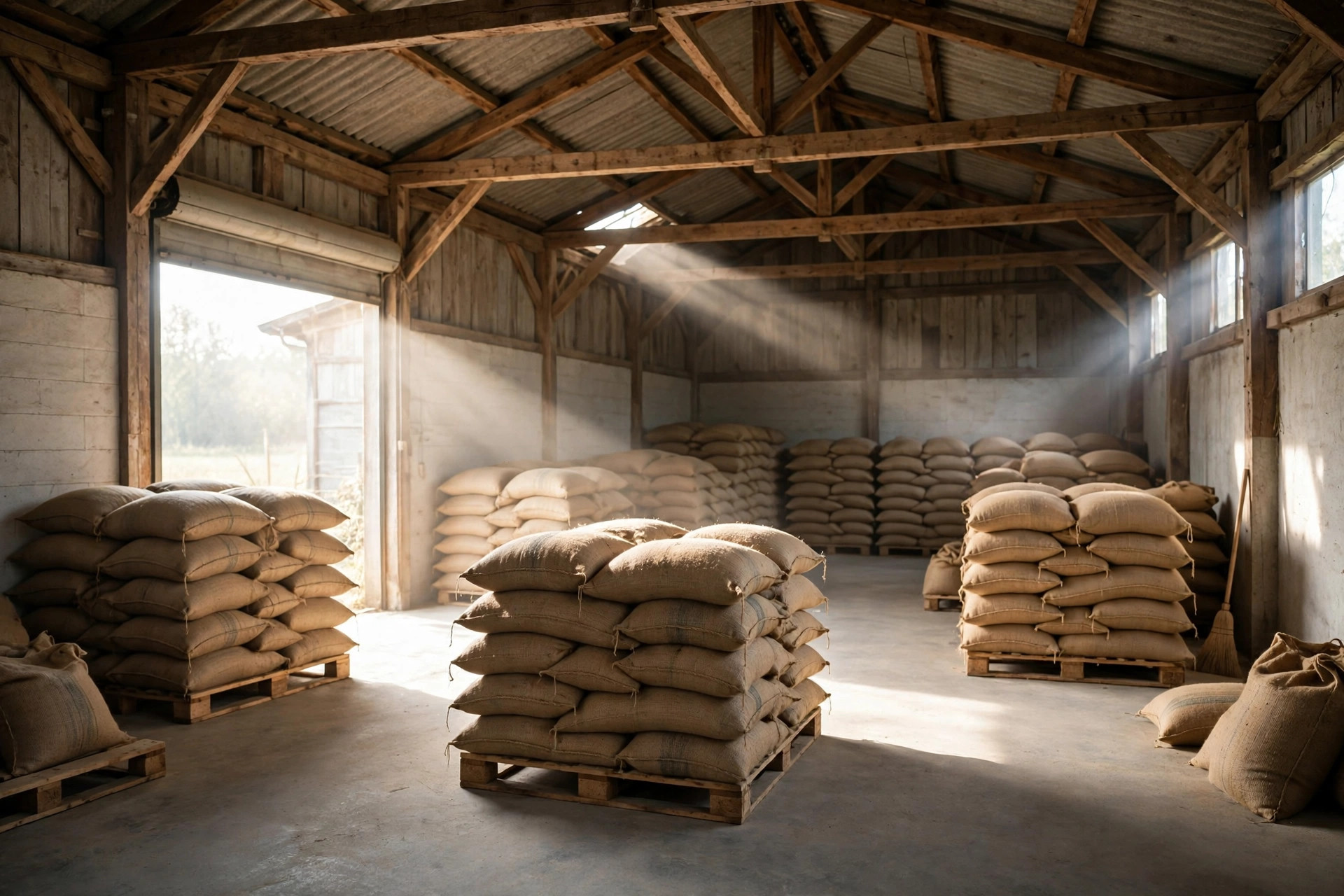
Prevention starts before the grain goes in. Clean the storage space thoroughly — sweep out old grain, dust and debris where insects breed, and repair cracks and holes where rodents enter. Use clean, undamaged sacks or, better, airtight containers or hermetic bags where available, since sealed storage starves insects of oxygen and greatly reduces losses. Traditional methods like neem leaves have a place in small-scale home storage, but for a market-bound crop, rely on proven, approved methods and follow the label instructions for any fumigant or treatment exactly — incorrect use can make grain unsaleable or unsafe.
Warehouse Receipts: Turning Stored Grain Into Working Capital
One of the most useful, and most underused, storage tools is the warehouse receipt system. When you store your crop in a registered warehouse, you receive a receipt confirming the quantity and quality stored. That receipt can be used as collateral for a loan from a bank, which means you can meet urgent cash needs — school fees, loan instalments, the next season's inputs — without being forced to sell your crop during the harvest glut at the lowest prices of the year.
The process is straightforward in principle: take your cleaned, dried crop to a registered warehouse, have it weighed and graded, receive the receipt, and approach a bank for a loan against it. When prices improve or you decide to sell, you repay the loan and the warehouse releases the crop, or the buyer settles through the warehouse. In practice, check the details first: the warehouse's charges, the loan terms and interest, the storage period, and what happens if prices do not recover as hoped. A warehouse receipt is a tool for managing timing, not a guarantee of higher prices — if prices fall further, you still owe the loan and the storage charges.
When to Sell and When to Store: A Decision Framework
The hardest storage decision is timing: sell now or wait? There is no single right answer, but a simple framework helps. First, ask whether the crop keeps well. Grains and pulses generally store well if dry and pest-free; perishables like fresh vegetables do not, and for those, storage is usually a matter of days, not months, unless cold storage is available. Second, ask whether you need cash urgently. If a loan instalment or medical expense cannot wait, selling now — even at a modest price — may be wiser than borrowing at high interest to wait for a price rise that may not come.
Third, look at the market pattern. During peak harvest weeks, arrivals surge and prices typically dip; as arrivals fall, prices often recover somewhat. Storing through the glut makes sense when the expected recovery exceeds storage costs, interest and the risk of quality loss. Fourth, set a target price in advance. Decide the price at which you will sell, and sell when it is reached, rather than holding endlessly in hope of a further rise. Many farmers lose money not by selling too early but by holding too long, watching quality decline while waiting for a peak that never arrives.
Frequently Asked Questions
Q: What is the safe moisture level for storing grain?
A: Most foodgrains store safely at around 12 to 14 percent moisture, but the exact safe level varies by crop, so confirm it for your crop with the local agriculture office or mandi assaying centre and test with a moisture meter before storing.
Q: How can I protect stored grain from insects without expensive equipment?
A: Start with a thoroughly cleaned store, use undamaged sacks or airtight hermetic bags where possible, seal entry points against rodents, and inspect the grain every couple of weeks so any infestation is caught early.
Q: What is a warehouse receipt and how does it help a farmer?
A: A warehouse receipt confirms the quantity and quality of crop stored in a registered warehouse. It can be used as collateral for a bank loan, letting a farmer meet cash needs without selling during the harvest glut at low prices.
Q: Is it always better to store my crop and wait for higher prices?
A: No. Storage makes sense only if the crop keeps well, storage and interest costs are less than the expected price gain, and you can afford to wait. Setting a target selling price in advance avoids holding too long while quality declines.
Storage is where a season's hard work is either protected or quietly lost. Dry the crop properly, keep the store clean and pest-free, consider a warehouse receipt when cash is tight, and decide sell-versus-store with a clear target price rather than hope. These habits cost little, but over seasons they are often the difference between a farmer who gets a fair price and one who watches a good harvest turn into a poor income.
Frequently Asked Questions (FAQ)
What is the safe moisture level for storing grain?
Most foodgrains store safely at around 12 to 14 percent moisture, but the exact safe level varies by crop, so confirm it for your crop with the local agriculture office or mandi assaying centre and test with a moisture meter before storing.
How can I protect stored grain from insects without expensive equipment?
Start with a thoroughly cleaned store, use undamaged sacks or airtight hermetic bags where possible, seal entry points against rodents, and inspect the grain every couple of weeks so any infestation is caught early.
What is a warehouse receipt and how does it help a farmer?
A warehouse receipt confirms the quantity and quality of crop stored in a registered warehouse. It can be used as collateral for a bank loan, letting a farmer meet cash needs without selling during the harvest glut at low prices.
Is it always better to store my crop and wait for higher prices?
No. Storage makes sense only if the crop keeps well, storage and interest costs are less than the expected price gain, and you can afford to wait. Setting a target selling price in advance avoids holding too long while quality declines.