Home > Agriculture & Mandi Bhav > eNAM Explained: How the Online National Agriculture Market Works for a Farmer, Step by Step
eNAM Explained: How the Online National Agriculture Market Works for a Farmer, Step by Step
By IndiaAsk Editorial Team · 2026-10-26 · 6 min read · Agriculture & Mandi Bhav
On eNAM, the assay report is what online buyers see, so clean, well-graded produce is what attracts strong bids.
Key Takeaways
eNAM is an online marketplace linking mandis, not a government buyer offering a fixed price.
Farmers register once through the mandi office or helpdesk before harvest, not on selling day.
Assaying records quality for online buyers, so cleaning and drying before assaying is essential.
Compare online bids honestly with local offers, including payment speed and transport terms.
Start with a smaller lot first to learn the auction and payment process safely.
For generations, a farmer's market was the mandi nearest to home. If that mandi had few buyers on a given day, the farmer had little choice but to accept whatever price was offered. The electronic National Agriculture Market, or eNAM, was created to change that by connecting mandis across states on a single online platform, so that a farmer's crop can be seen — and bid on — by traders far beyond the local yard. Used well, it can widen competition for your produce. Used without preparation, it can also lead to confusion, rejected lots and delayed payment. This guide walks through how eNAM works in practice, step by step, and what to check before you sell through it.
What eNAM Is — and What It Is Not
eNAM is an online trading platform that links regulated wholesale mandis, known as APMC mandis, across India. In a linked mandi, a farmer's lot can be listed for online auction, and registered traders from other linked mandis can bid on it. The idea is simple: more buyers competing for the same lot should mean better price discovery than a small local crowd of buyers.
It is important to understand what eNAM is not. It is not a government buyer, and it does not guarantee a price. It is a marketplace — a digital version of the auction yard, with wider reach. The final price still depends on your crop's quality, the day's demand and the number of traders bidding. eNAM also does not replace the physical mandi entirely: your crop still has to be brought to a mandi, weighed, graded and assayed, because online buyers need reliable information about what they are bidding on.
Selling Through eNAM, Step by Step
The process begins before you leave home. First, register as a farmer on eNAM, usually through your local mandi office or an eNAM helpdesk, with an identity document, bank account details and, in some places, land or tenancy details. Registration is a one-time step, but it is worth doing well before harvest, not on the morning you want to sell — helpdesks are busiest exactly when everyone is harvesting.
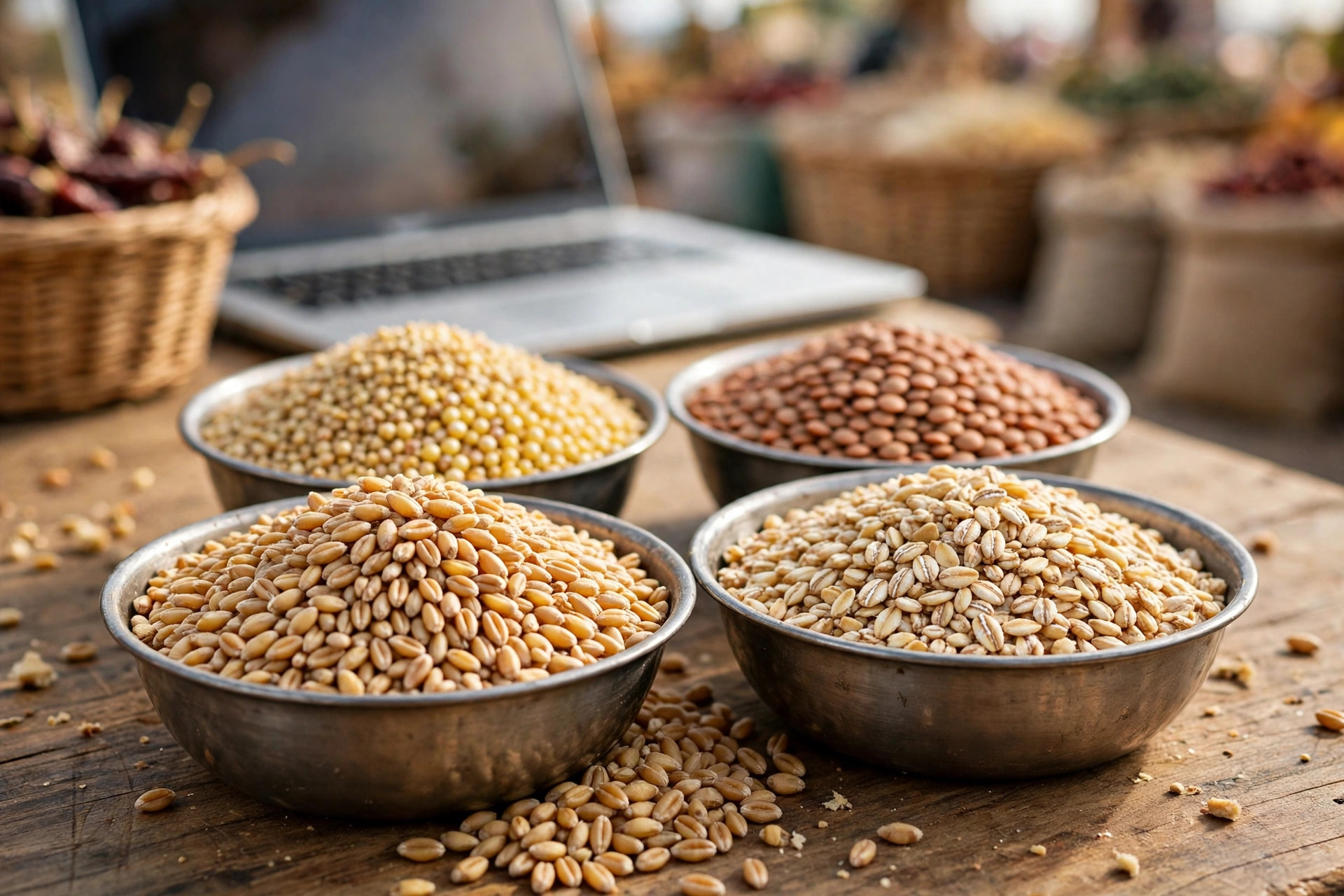
Next, bring your crop to the mandi and have it assayed. Assaying means testing and grading the lot: variety, moisture content, foreign matter, damaged grains and other quality parameters are recorded. This quality report is what online buyers see, so it matters enormously. A clean, well-dried, properly graded lot gets a quality report that attracts bids; a mixed or damp lot gets a report that scares buyers away or invites low bids. Clean and dry your produce before assaying — you cannot fix quality after the report is written.
Once assayed, the lot is listed for online auction. Registered traders view the lot details and place bids during the auction window. You or the mandi staff can follow the bidding, and the lot is sold to the highest bidder if the price meets the terms of the auction. After the sale, the crop is weighed, payment is processed — typically through online transfer to the farmer's bank account — and the buyer arranges transport. Keep every slip: the assay report, the sale confirmation and the payment record. If anything goes wrong later, these documents are your evidence.
What to Check Before Selling Through eNAM
Preparation starts with the basics: is your mandi eNAM-enabled for your crop, and is online trading actually active there this season? Ask the mandi office or the eNAM helpdesk rather than assuming. Next, check the quality standards for your crop — the acceptable moisture level, foreign matter limits and grading parameters. If you do not know the standard, you cannot prepare for it, so ask for it in advance and test your crop against it before bringing the full lot.
Check your registration and bank details carefully. A wrong account number or an incomplete registration can delay payment, and payment delays are one of the most common frustrations for first-time eNAM sellers. Also confirm the charges involved: mandi fees, assaying charges and any other deductions should be explained to you before the sale, not discovered afterwards. Ask who pays for transport after the sale and how quickly the buyer must lift the lot — a sold lot sitting in the yard is still your problem if it gets wet or damaged.
Common Problems and How to Avoid Them
The most common problem is a lot going unsold or selling low because of poor quality or poor preparation. The fix is unglamorous but effective: clean, dry and grade before assaying, and know the standard in advance. Another common problem is confusion about the auction itself — farmers who do not know when bidding closes or how the winning bid is decided. Ask the mandi staff to walk you through one auction before your own lot is listed, or watch another farmer's lot go through the process first.
Payment delays happen too, usually because of registration or bank detail errors, or because the buyer is slow to complete the transaction. Keep your documents, follow up promptly with the mandi office, and do not leave the mandi without a clear sale and payment record. If a dispute arises — for example, a buyer disputing quality after the sale — the assay report and sale record are what protect you, which is why keeping them matters.
Frequently Asked Questions
Q: Is eNAM a government scheme that buys my crop at a fixed price?
A: No. eNAM is an online marketplace that connects mandis so more traders can bid on your crop. The price comes from bidding, not from a government-fixed rate, and it still depends on quality and demand.
Q: Do I need to register before I can sell on eNAM?
A: Yes, farmers register once through the local mandi office or eNAM helpdesk, with identity and bank account details. Registering well before harvest avoids delays during the busy harvest period.
Q: Why is assaying so important for an online sale?
A: Because online buyers cannot see or touch your crop — they rely entirely on the assay report describing its quality. A good report attracts confident bids, while a poor report leads to low bids or no sale.
Q: What should I do if my lot goes unsold on eNAM?
A: Find out why — usually quality, an unrealistic reserve expectation or thin bidding that day — improve the lot if possible, and consider selling locally or re-listing. Keep your assay and sale records for any follow-up.
eNAM's real value is competition: it lets buyers beyond your local mandi compete for your crop. But that competition only helps if your crop is prepared to a standard buyers trust, your registration and bank details are correct, and you understand the auction and payment process before your lot is listed. Register early, prepare your produce carefully, start with a manageable lot, and compare the online result honestly with local offers. Used that way, eNAM becomes a genuinely useful selling option rather than a confusing experiment.
Frequently Asked Questions (FAQ)
Is eNAM a government scheme that buys my crop at a fixed price?
No. eNAM is an online marketplace that connects mandis so more traders can bid on your crop. The price comes from bidding, not from a government-fixed rate, and it still depends on quality and demand.
Do I need to register before I can sell on eNAM?
Yes, farmers register once through the local mandi office or eNAM helpdesk, with identity and bank account details. Registering well before harvest avoids delays during the busy harvest period.
Why is assaying so important for an online sale?
Because online buyers cannot see or touch your crop — they rely entirely on the assay report describing its quality. A good report attracts confident bids, while a poor report leads to low bids or no sale.
What should I do if my lot goes unsold on eNAM?
Find out why — usually quality, an unrealistic reserve expectation or thin bidding that day — improve the lot if possible, and consider selling locally or re-listing. Keep your assay and sale records for any follow-up.