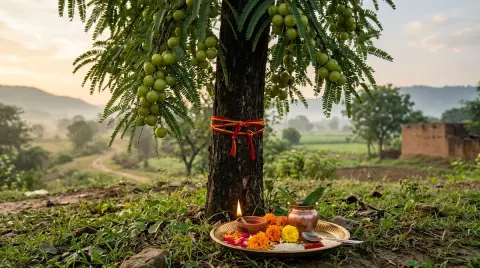
Gopashtami 2026 Date, Tithi and Puja Vidhi in Mumbai: 17 Nov
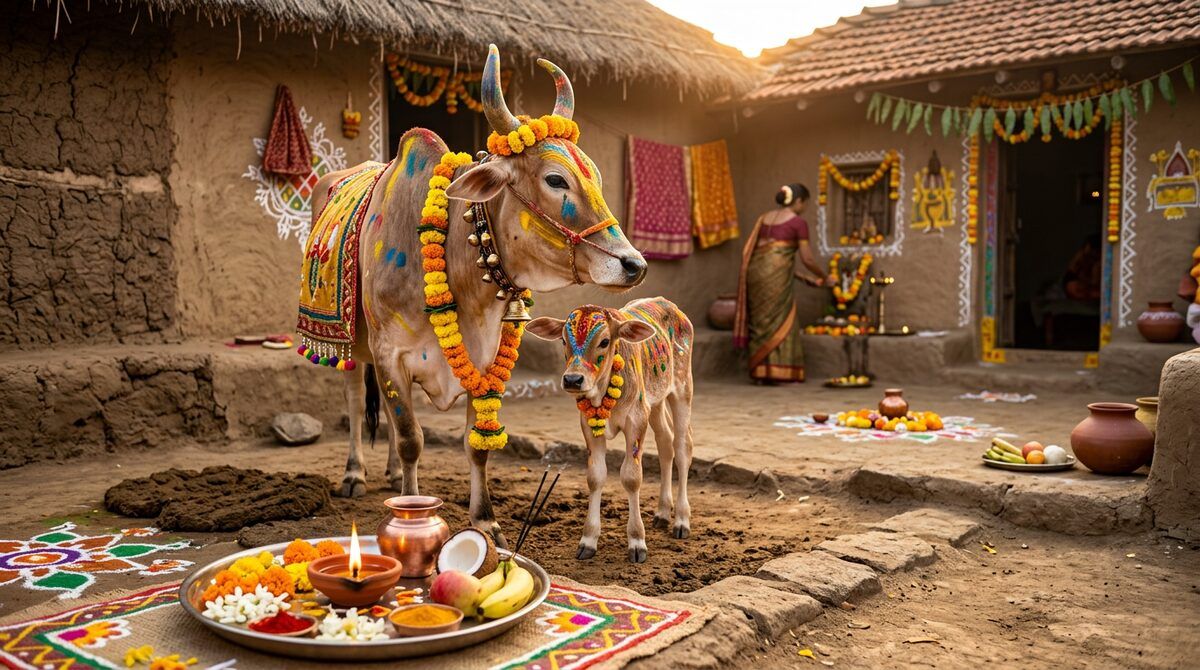
Gopashtami 2026 is on Tuesday, 17 November 2026. As per Drik Panchang for Mumbai, the Ashtami tithi begins at 4:19 AM on 17 November and ends at 6:04 AM on 18 November. On this day cows and calves are bathed, decorated and worshipped, and Lord Krishna is remembered as Gopal, the cowherd.
Quick facts
Date: Tuesday, 17 November 2026
Ashtami tithi begins (Mumbai): 4:19 AM, 17 November
Ashtami tithi ends (Mumbai): 6:04 AM, 18 November
Hindu month: Kartik, Shukla Paksha Ashtami
Main ritual: Worship of cows and calves (Gau Puja)
Region: Famous in Mathura, Vrindavan and the Braj area
Source: Drik Panchang, Mumbai timings
When is Gopashtami in 2026?
Gopashtami falls on the Ashtami of Kartik Shukla Paksha, a little more than a week after Diwali. In 2026 it comes on 17 November, the day before Akshaya Navami. Since the Ashtami tithi is already running at sunrise on 17 November in Mumbai, that is the day to observe it. Please check your local panchang if you live in another city.
Drik Panchang does not list a separate puja muhurat for Gopashtami. Most families do the cow worship in the morning after a bath, so there is no strict window to chase.
What is Gopashtami and why is it celebrated?
Gopashtami is a festival of gratitude to the cow and to Lord Krishna. As per Drik Panchang, tradition says Krishna lifted the Govardhan hill on his little finger to protect the people of Braj from the anger of Indra. After seven days of heavy rain, Indra accepted defeat on Gopashtami. Krishna had asked the Braj people to stop the yearly offerings to Indra, which had upset the god.
Another popular belief is that Krishna began taking the cows out to graze himself on this day, moving from being a calf-herder to a full cowherd. Because of this, the day is closely tied with cattle care in Braj, and many gaushalas hold special events.
Gopashtami puja vidhi at home or in a gaushala
The steps below are a general guide. Follow your family tradition if it differs.
Wake early, bathe and wear clean clothes. Then bathe the cows and calves if you have access to them, or visit a nearby gaushala or temple.
Decorate the cow and calf with flower garlands, haldi, kumkum, and colourful cloth. Apply a tilak and offer a diya and incense. Offer fresh green fodder, jaggery, wheat roti or fruits.
Do parikrama around the cow, usually three times, and bow with respect. Some people walk behind the cows for a little distance as a sign of respect. Finish with an aarti and a prayer to Lord Krishna.
If you live in a city flat and cannot reach a cow, you can place a picture or small idol of Krishna with a cow and calf, light a diya and offer fruits. You can also donate fodder to a gaushala.
Samagri list for Gopashtami
Water for bathing the cow and a clean cloth
Flower garlands, especially marigold
Haldi, kumkum and akshata (rice)
Diya, ghee or oil, and incense
Green fodder, jaggery, roti or fruits
Colourful cloth or decorations for the animal
Photo or idol of Lord Krishna with a cow (optional)
Gopashtami and Govatsa Dwadashi in Maharashtra
In Maharashtra, cow and calf worship is best known through Vasubaras, also called Govatsa Dwadashi, at the start of Diwali. As per Drik Panchang, the way of worshipping the cow and calf on Gopashtami is similar to Govatsa Dwadashi in Maharashtra. So Maharashtrian families will find the ritual familiar even though Gopashtami itself is more famous in Braj.
Where is Gopashtami celebrated most?
The biggest celebrations are in Mathura, Vrindavan, Gokul and other Braj areas, where cows are decorated and taken out in processions. Gaushalas across North and Central India, and ISKCON temples across the country, also hold special programmes. In cities like Mumbai and Pune, you will mostly find events at temples and gaushalas.
Do's and don'ts
Do treat the cow and calf gently and keep the animal comfortable.
Do offer only safe food such as green fodder, jaggery or wheat roti. Avoid cooked, spicy or plastic-wrapped food.
Do donate to a registered gaushala if you cannot visit.
Don't crowd or startle the animals, especially calves.
Don't treat any ritual as a guarantee of results. It is an act of faith and care.
What comes next
After Gopashtami come Akshaya Navami on 18 November, Dev Uthani Ekadashi on 20 November and Tulsi Vivah and Kartik Purnima in the days after. See also on IndiaAsk: Dev Uthani Ekadashi 2026 Parana Time in Mumbai: 20 Nov, and Kartik Purnima 2026 Date and Time in Mumbai: 24 Nov.
Timings in this article are as per Drik Panchang for Mumbai. Please confirm with your local panchang or priest for your city.
Frequently Asked Questions (FAQ)
When is Gopashtami in 2026?
Gopashtami 2026 is on Tuesday, 17 November. As per Drik Panchang for Mumbai, the Ashtami tithi begins at 4:19 AM on 17 November and ends at 6:04 AM on 18 November. Check your local panchang if you live in another city.
Why is Gopashtami celebrated?
Gopashtami is celebrated to honour cows and Lord Krishna. As per Drik Panchang, Indra accepted defeat on this day after seven days of flooding in Braj, when Krishna's Govardhan hill sheltered the people and their cattle. Cows and calves are decorated and worshipped as a thanks.
How do you do Gopashtami puja at home?
Bathe, then visit a cow or gaushala if you can. Decorate the cow and calf with garlands, haldi and kumkum, light a diya, offer green fodder or jaggery, and walk around the cow three times. If you cannot reach a cow, worship a Krishna picture with a cow and calf.
Is Gopashtami the same as Govatsa Dwadashi?
No, they are different days. Govatsa Dwadashi, also called Vasubaras in Maharashtra, comes at the start of Diwali. Gopashtami falls on Kartik Shukla Ashtami. As per Drik Panchang, the cow and calf worship on Gopashtami is similar to the Govatsa Dwadashi ritual in Maharashtra.
Where is Gopashtami celebrated the most?
Gopashtami is most famous in Mathura, Vrindavan, Gokul and the wider Braj area, where cows are decorated and taken out in processions. Gaushalas and ISKCON temples across India also hold special programmes, including in cities like Mumbai and Pune.
Related Articles
Answers
No approved answers yet — you can give the first answer.
Give Your Answer
Discussion
No approved comments yet.