Electric Scooter Tyres Explained: Why EVs Wear Tyres Differently and How to Make Them Last
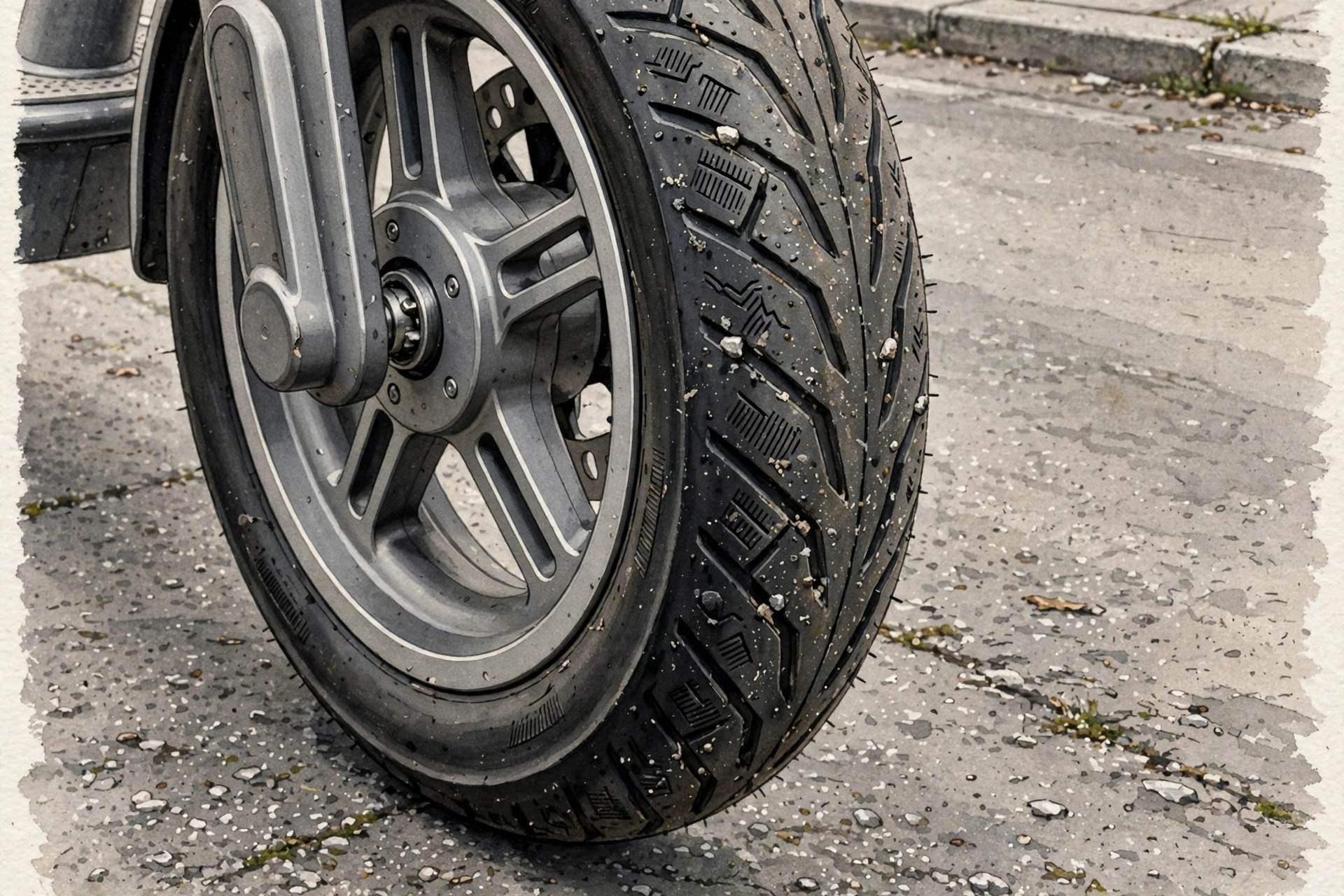
Key Takeaways
- Battery weight increases the load on tyres at all times
- Instant torque scrubs rubber, especially from the rear tyre
- Correct cold tyre pressure checked fortnightly is the most important habit
- Smooth acceleration and braking extend tyre life and improve safety
- Replace tyres at the wear indicators or sooner if the sidewall is damaged
Electric Scooter Tyres Explained: Why EVs Wear Tyres Differently and How to Make Them Last
If you have switched from a petrol scooter to an electric one, you may have noticed something surprising at your first service visit: the tyres look more worn than you expected. The scooter itself feels smooth and quiet, yet the rubber seems to be ageing faster. This is not your imagination, and it is not necessarily a sign that you bought a bad scooter. Electric scooters place different demands on their tyres than petrol scooters do, and understanding those demands is the key to getting good life out of a set of tyres without compromising safety.
The difference starts with weight and torque. An electric scooter carries a battery pack, which is one of the heaviest single components on the vehicle. That extra mass presses down on the tyres all the time, even when you are riding gently. At the same time, an electric motor delivers its pulling force almost instantly. A petrol engine builds up power gradually as it revs; an electric motor gives you strong acceleration from a standstill. That instant push is fun, and it is also one of the main reasons EV tyres wear differently. Every hard launch scrubs a little rubber off the rear tyre, and because the force arrives so suddenly, the wear can be uneven if you accelerate aggressively every time.
Why Weight Changes Everything
Think of a tyre as a cushion between your scooter and the road. Its job is to carry the load, absorb bumps, grip in wet and dry conditions, and stay round and stable at speed. When the load increases, the contact patch — the small area of rubber actually touching the road at any moment — gets larger and works harder. More rubber in contact means more friction, more heat and faster wear, especially on hot Indian roads in summer.
Weight distribution matters too. On many electric scooters the battery sits low, often under the floorboard or under the seat. A low centre of gravity is good for stability, but it also means the rear tyre in particular carries a heavy, constant load. Add a pillion rider and a bag of groceries, and the rear tyre is doing a great deal of work. That is why the rear tyre on an electric scooter often wears out before the front one, sometimes noticeably sooner. Checking both tyres separately, rather than assuming they wear at the same rate, is a sensible habit.
The Torque Effect and How You Ride
Instant torque is the most enjoyable part of an electric scooter, and also the part that costs rubber. Imagine two riders leaving the same traffic light. One twists the throttle gently and builds speed smoothly; the other twists it fully from a standstill every time. Both reach the same speed, but the second rider's rear tyre has been forced to grip hard against the road surface in a fraction of a second, again and again. Over thousands of traffic lights, that difference adds up to real tread loss.
You do not need to ride slowly to protect your tyres. You need to ride smoothly. Gentle, progressive throttle inputs, especially in the first few metres, reduce scrub without making your commute noticeably slower. The same applies to braking. Hard, sudden braking locks the wheel momentarily and flat-spots the rubber. Anticipating traffic, keeping a safe following distance and braking progressively will extend tyre life and, more importantly, keep you safer.
Pressure: The Single Most Important Habit
If there is one habit that matters more than any other for EV tyre life, it is checking tyre pressure regularly. Under-inflated tyres flex more as they roll, which generates heat, increases rolling resistance and wears the shoulders of the tread faster than the centre. Over-inflated tyres, by contrast, wear the centre of the tread and give a harsher, less grippy ride. Both extremes shorten tyre life and reduce safety, particularly in wet conditions where grip matters most.
Check pressure when the tyres are cold, ideally before your first ride of the day, and at least once every two weeks. Use the pressure recommended in your scooter's manual or on the sticker near the charging port or under the seat, not the maximum pressure printed on the tyre sidewall. The sidewall figure is a limit, not a recommendation. Remember that pressure drops naturally over time, and faster in cold weather, so a tyre that was correct last month may be soft now. A small, inexpensive pressure gauge kept at home removes all guesswork, and many petrol stations offer free air if you ask.
Choosing a Replacement and Reading the Signs
When it is time for new tyres, do not choose on price alone. Look for the size printed on your old tyre's sidewall and match it exactly, unless your scooter's manufacturer offers an approved alternative size. A tyre that is too narrow will carry the load poorly; one that is too wide may rub against the bodywork or change handling. Also check the load index, a number on the sidewall that indicates how much weight the tyre is rated to carry. For a heavier electric scooter, a tyre with an adequate load rating is not a luxury; it is a safety requirement.
Tread wear indicators are small raised bars inside the tread grooves. When the tread wears down to the level of those bars, the tyre is legally and practically worn out, even if it still looks round. Riding on bald tyres in the rain is dangerous because the grooves can no longer channel water away, and the scooter can aquaplane or skid. Similarly, a tyre with cracks in the sidewall, a bulge, or a deep cut should be replaced even if the tread looks fine, because the structure underneath may be damaged.
A Simple Tyre-Care Checklist
Good tyre care does not require expertise, just consistency. Keep pressures correct and check them fortnightly. Accelerate and brake smoothly rather than abruptly. Avoid overloading the scooter. Slow down for potholes and speed breakers. Inspect the tread and sidewalls weekly for cuts, nails and bulges. Replace tyres when the wear indicators appear, or sooner if you see structural damage. Rotate your attention, not necessarily your tyres — on most scooters the front and rear tyres are different sizes and cannot be swapped, so simply monitor the rear more closely because it works harder.
Conclusion
Electric scooters do wear tyres differently, but the reasons are understandable: extra battery weight, instant torque and a different braking rhythm all ask more of the rubber. That does not mean EV tyres are fragile or that ownership is expensive. It means the basics matter more. Correct pressure, smooth riding, regular inspection and the right replacement tyre will give you safe, predictable tyre life and save you money over time. Treat your tyres as the safety-critical parts they are, and they will repay the attention every single day you ride.